LLMLifeline
A private AI that runs on your own computer and that your whole household can share over your home network. Chat, images, video, documents and an agent that asks before it acts, with every conversation staying on machines you own.
HELLO, FELLOW ADVENTURER.
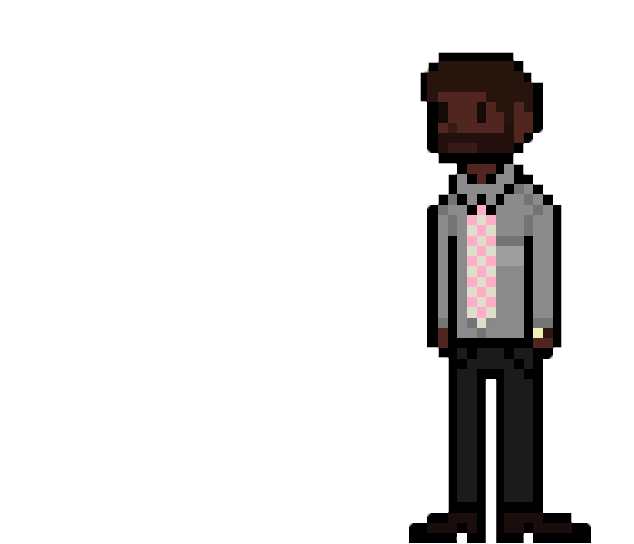
I’m Hector. I make games, explore AI, and build tools that help people do more on their own terms.
A little wonder. A lot of questions.
And a belief that we can make something better.
Build a world that makes someone curious enough to look a little closer.
Games & stories II.Make useful things people can understand, control, and keep using.
Tools & independence III.Look for the connections between what we know, what we believe, and how we live.
Faith & explorationSome are worlds to get lost in.
Some help us find our way.
All started with a question.
A private AI that runs on your own computer and that your whole household can share over your home network. Chat, images, video, documents and an agent that asks before it acts, with every conversation staying on machines you own.
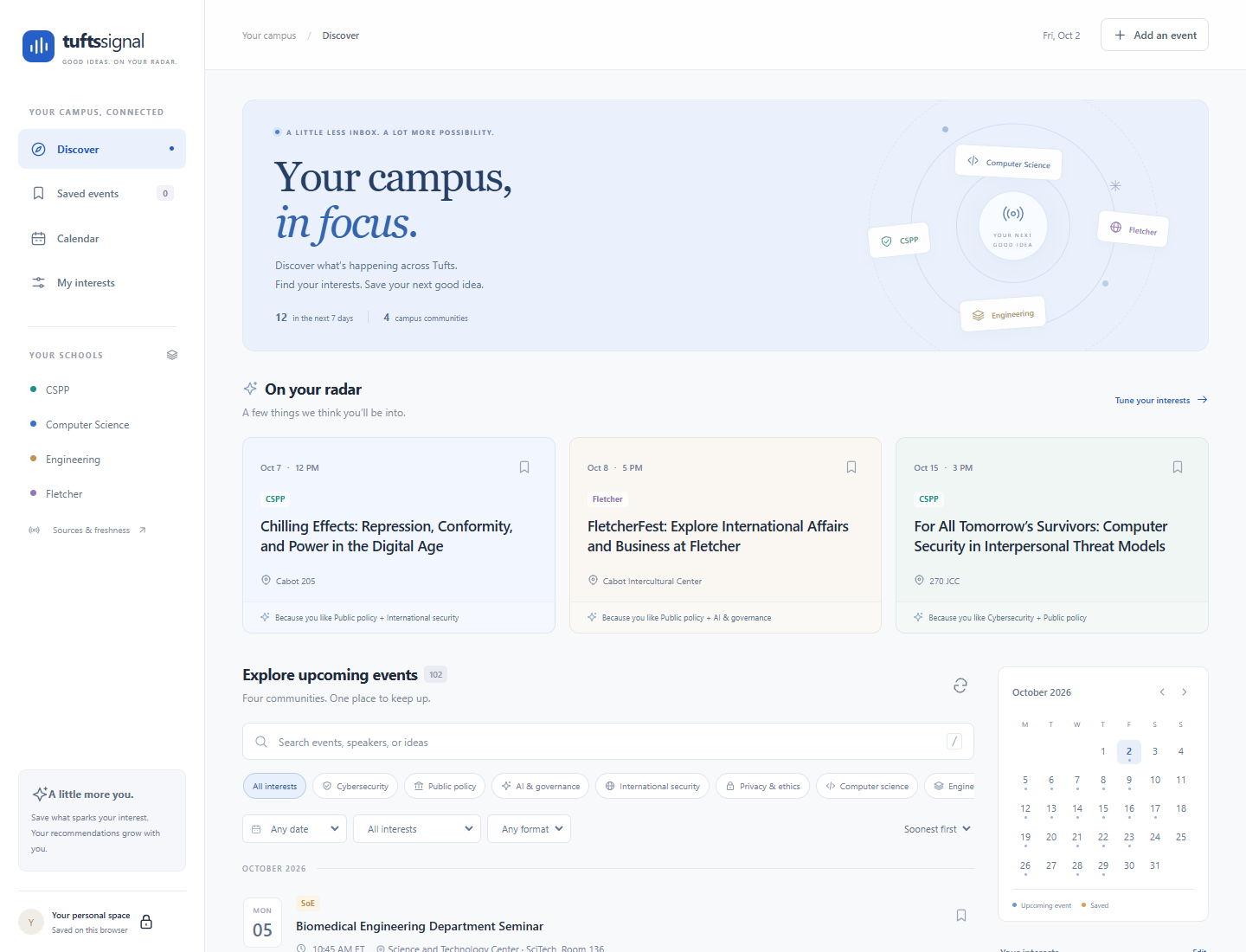
One place for Tufts talks, events, and your next good idea. Explore four campus communities, filter by your interests, and keep a shortlist that helps shape what you see next.
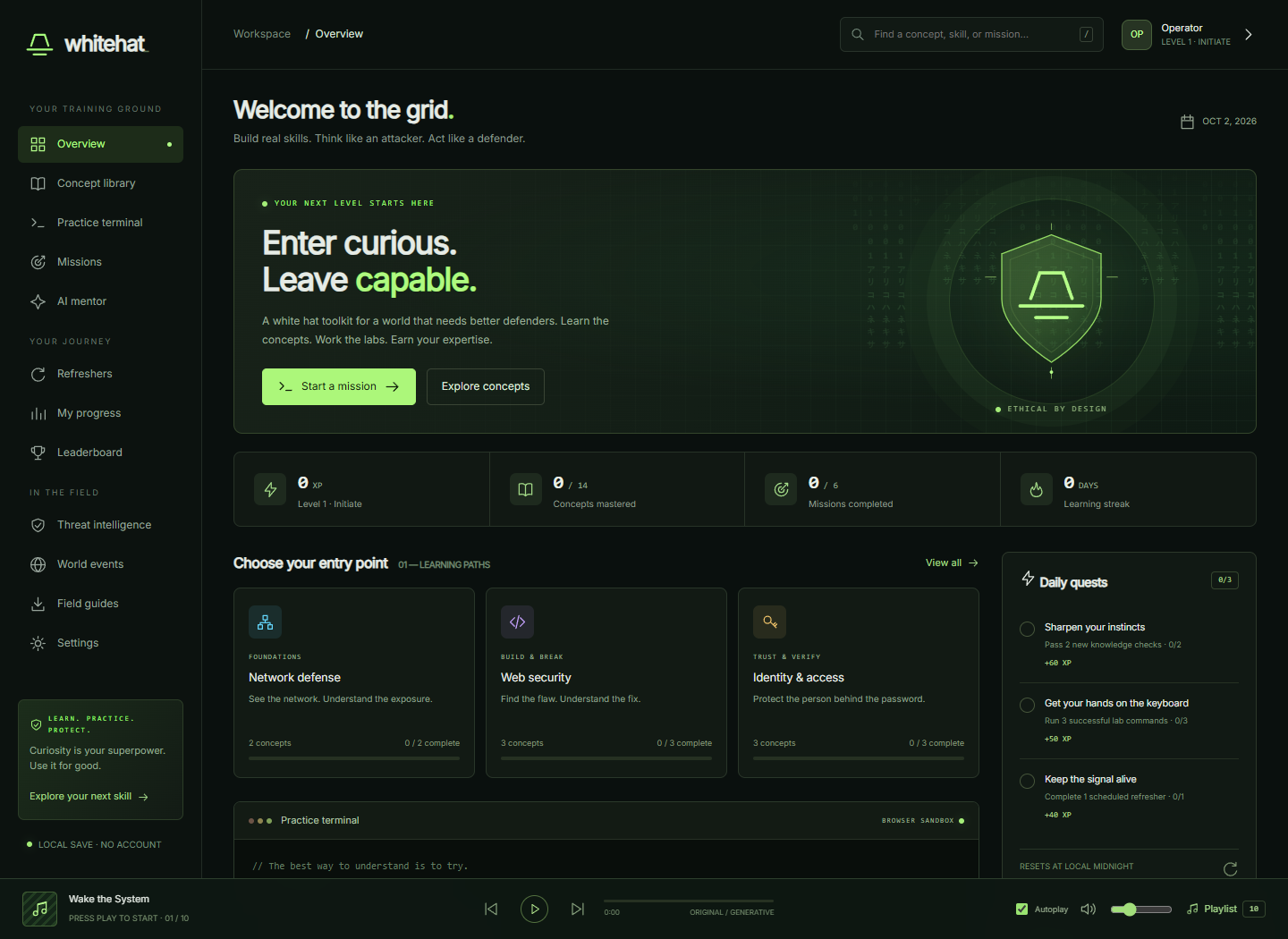
An AI-assisted cybersecurity training ground with hands-on browser labs, clear explanations, skill badges, daily quests and multi-stage incident missions. Enter curious. Leave capable.
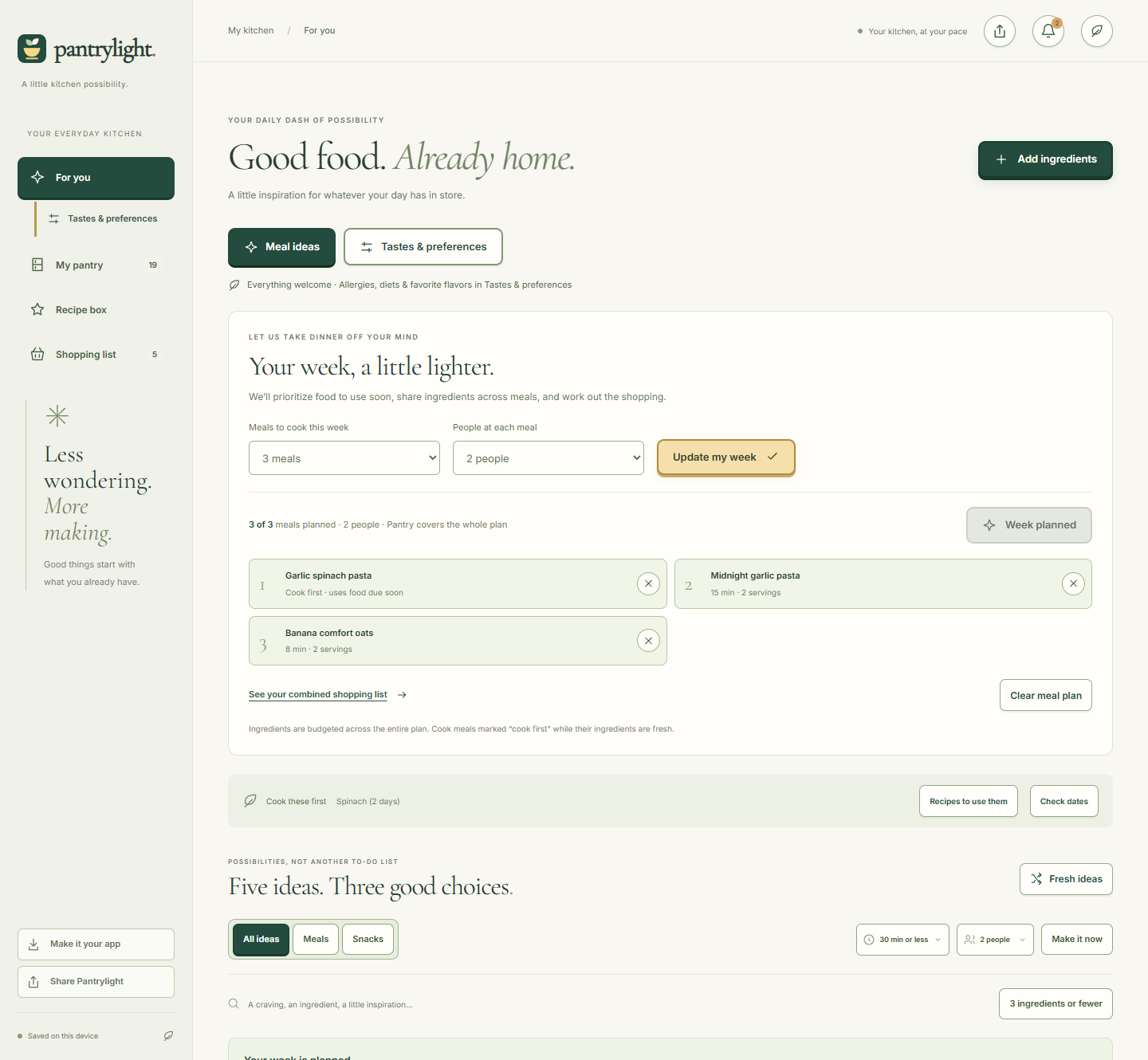
A pantry companion that plans meals for the week, uses food before its dates, and works out the shopping. Everyday ingredient matching, personal food needs, and five ideas with three easy picks.
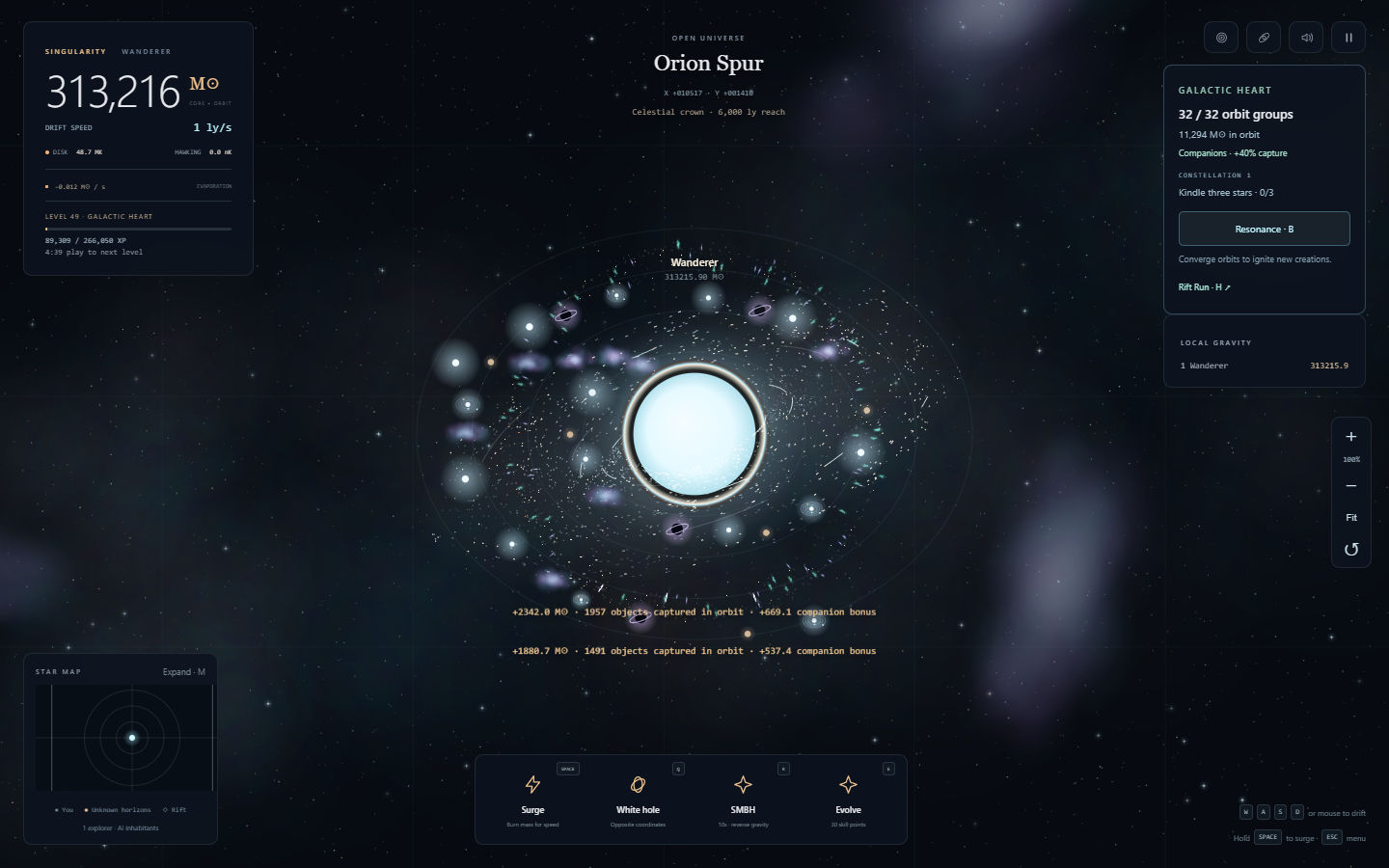
Begin as a tiny black hole and grow by absorbing the universe around you. A playable early-access game with dramatic cosmic effects, evolving abilities, private galaxies, and automated rival duels.
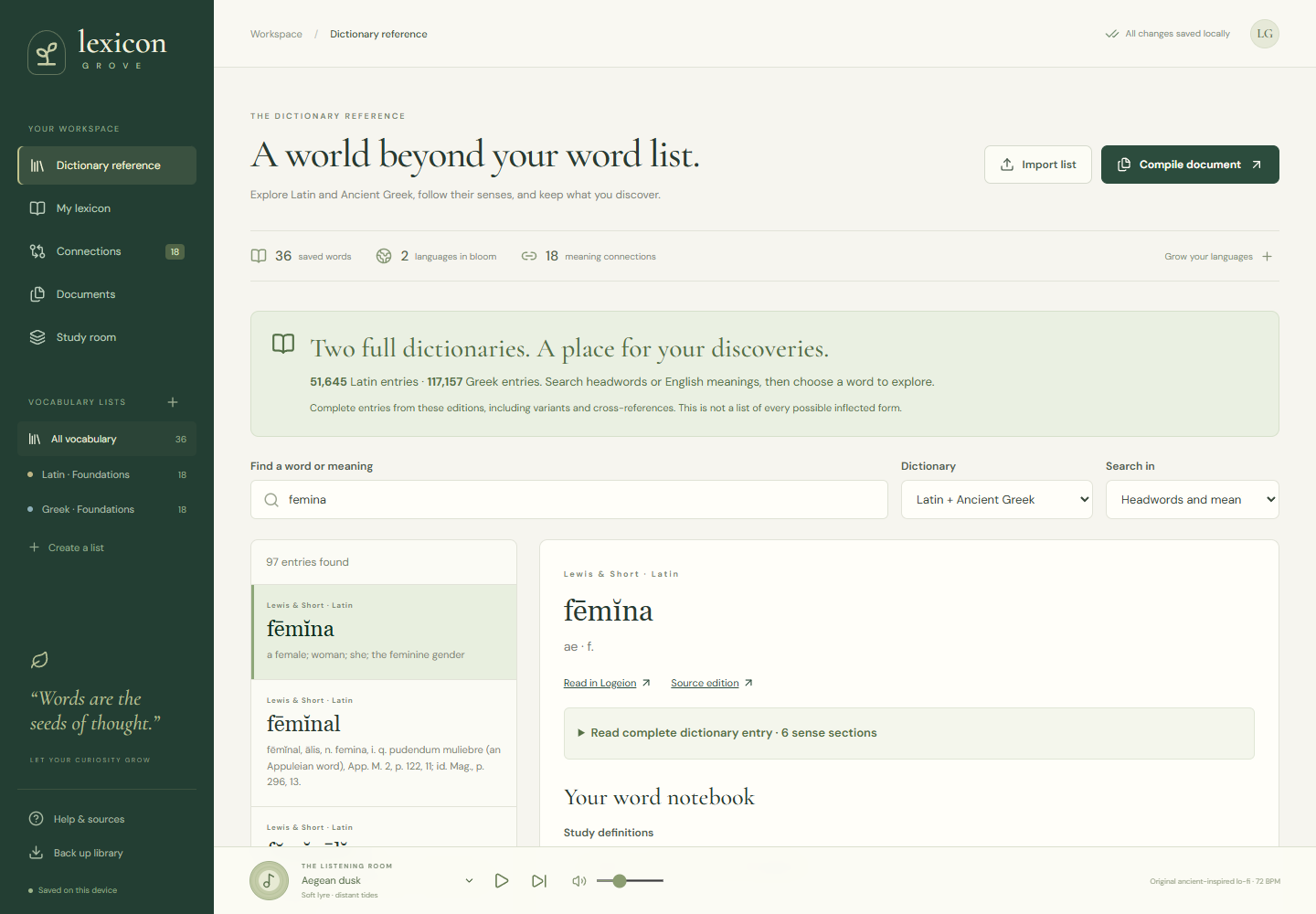
Search 168,802 Latin and Ancient Greek dictionary entries, compare their senses, and build a personal collection. Keep word notes and running documents that grow with your study.
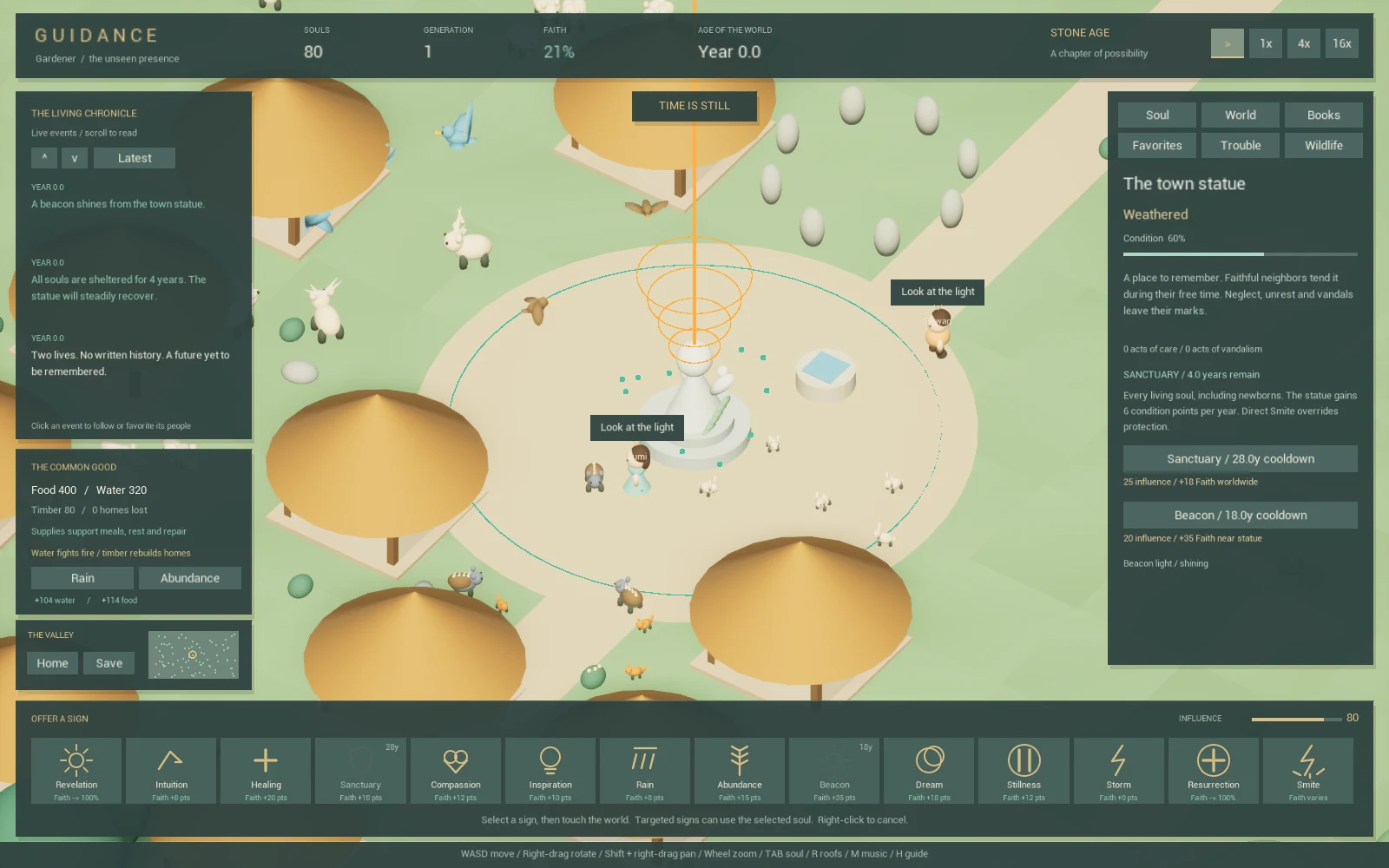
Two founders know who created their world. Their descendants inherit stories, doubts, and choices. A generational society simulation about faith, memory, and the limits of guidance.
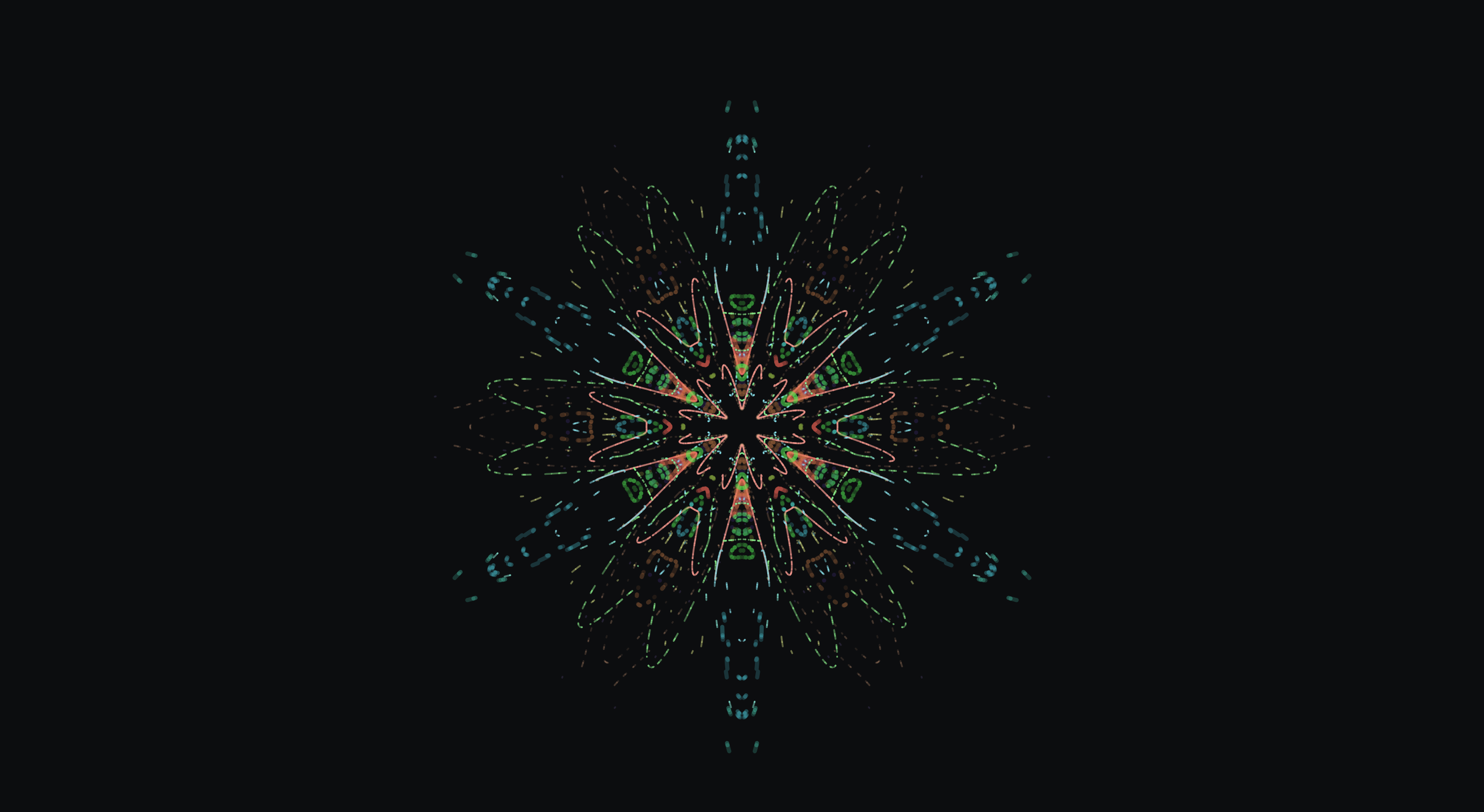
Turn a song into a symmetric resonance portrait. Explore ten patterns, paint nodes and antinodes, and discover how each voice changes the curves, colors, and spaces in the image.
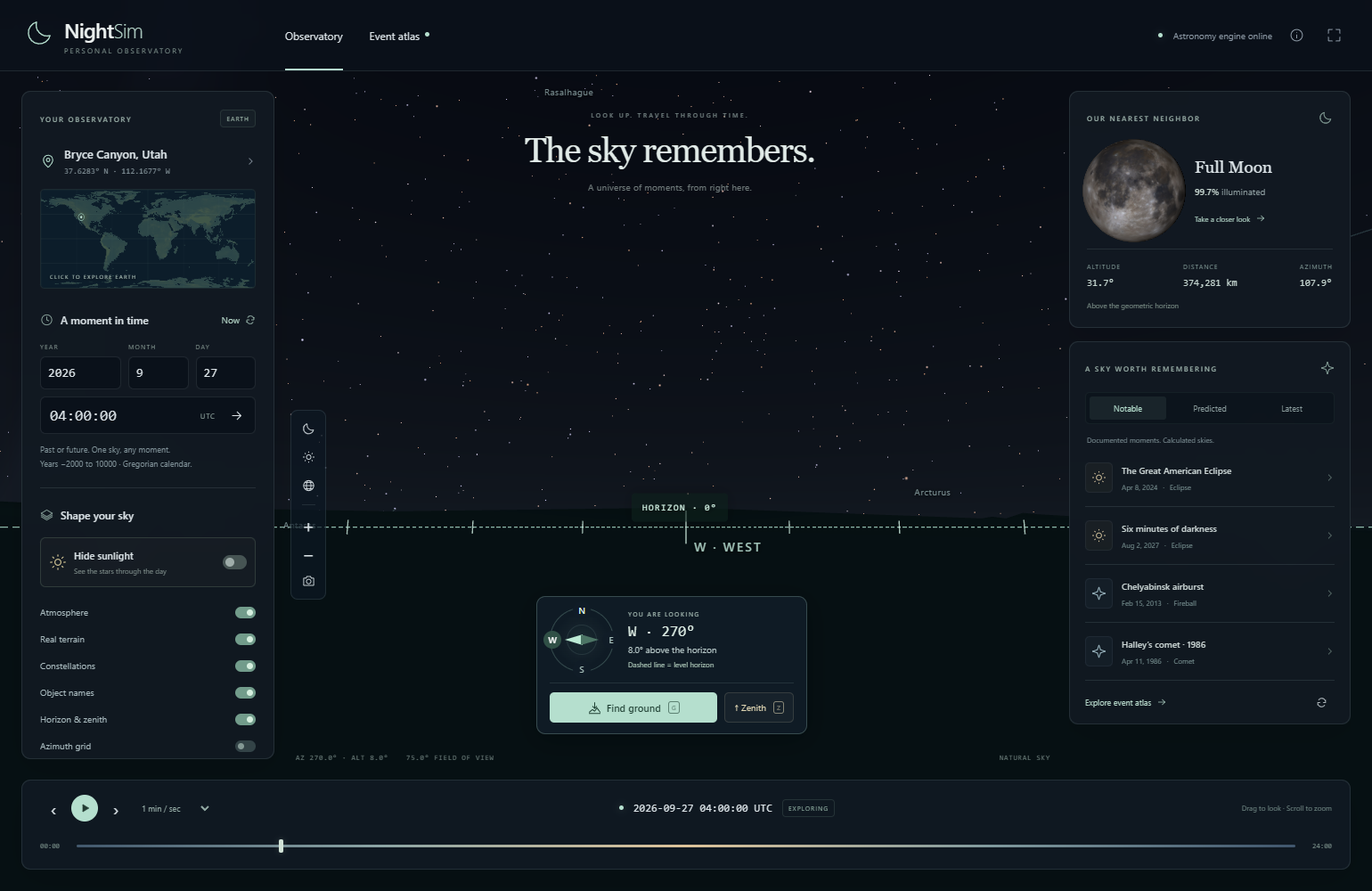
A personal 3D observatory for exploring the sky across time. Choose a place and a past or future date, follow the Sun and Moon, and revisit documented astronomical events.
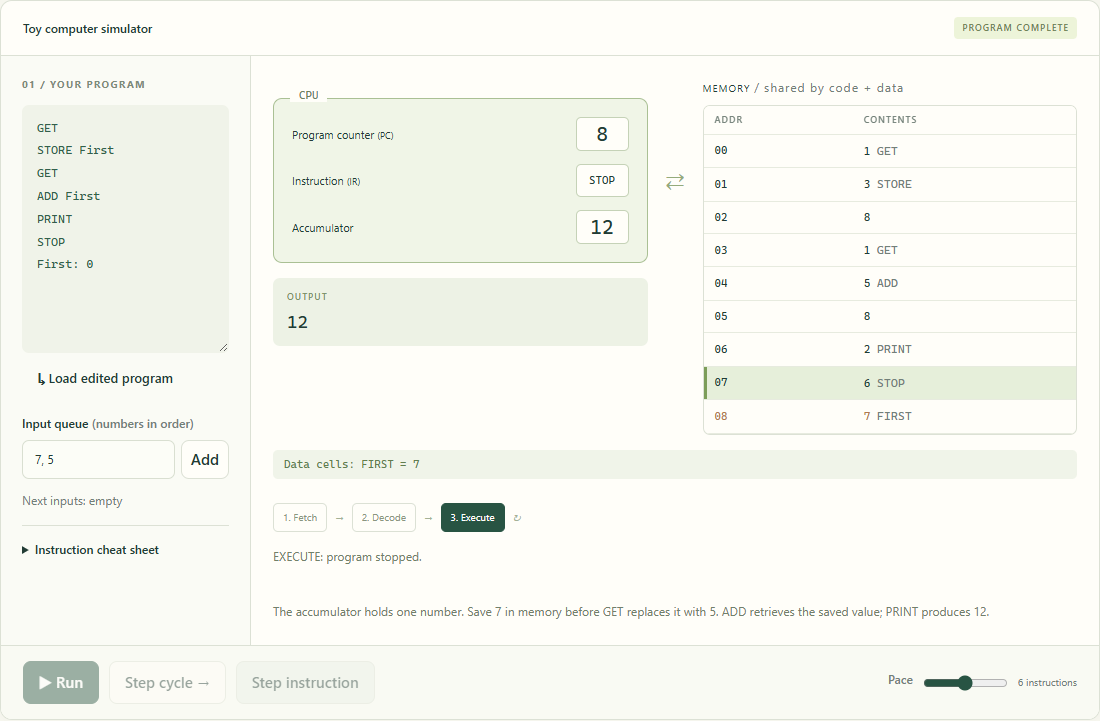
Ten hands-on experiments that make computing visible. Step through a tiny CPU, flip bits, compress your own images, build a GIF, and hear what happens when sound is sampled.
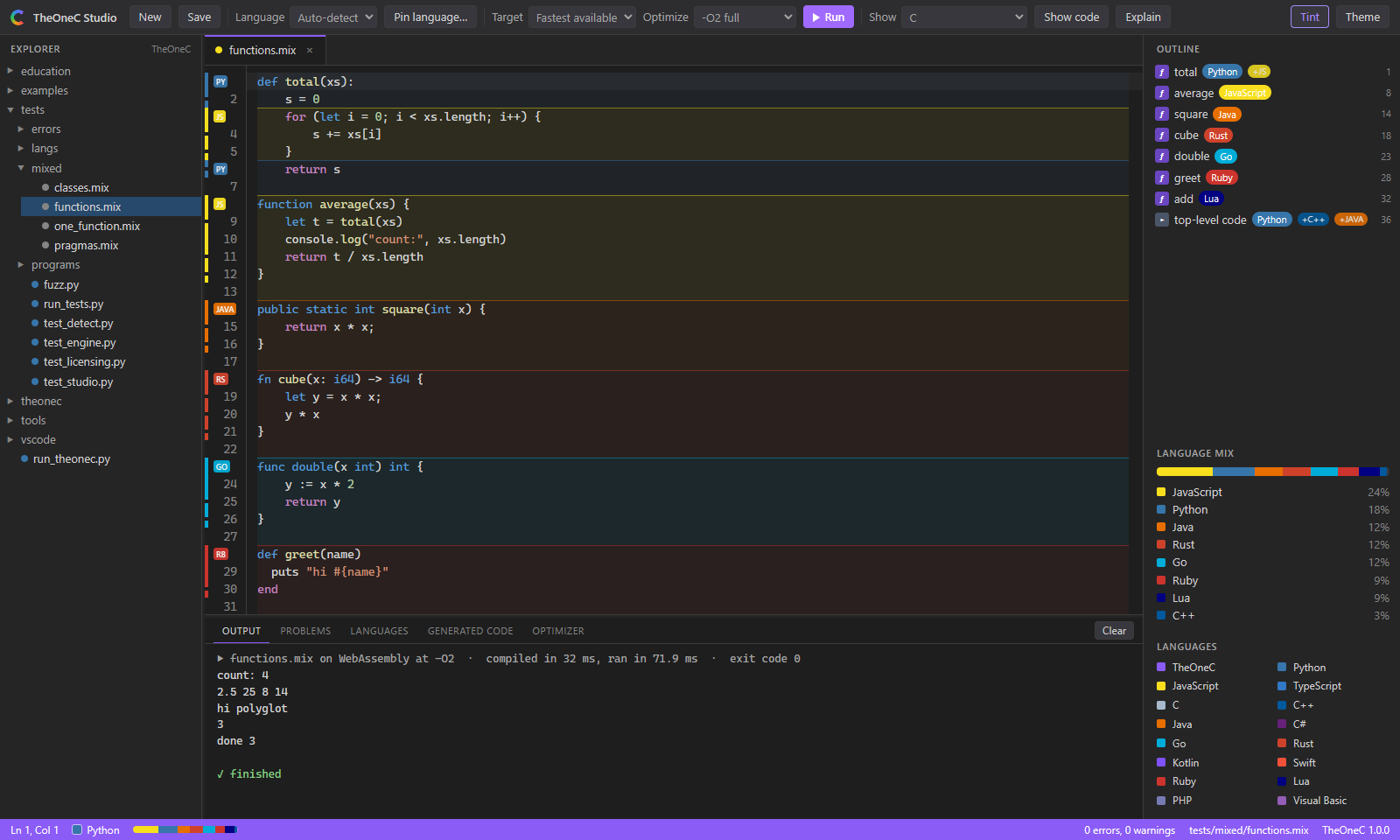
A compiler that reads sixteen programming languages, even mixed line by line inside one function, and turns them into fast native code, WebAssembly, or Python. It comes as a VS Code add-on for developers and a classroom edition for schools.
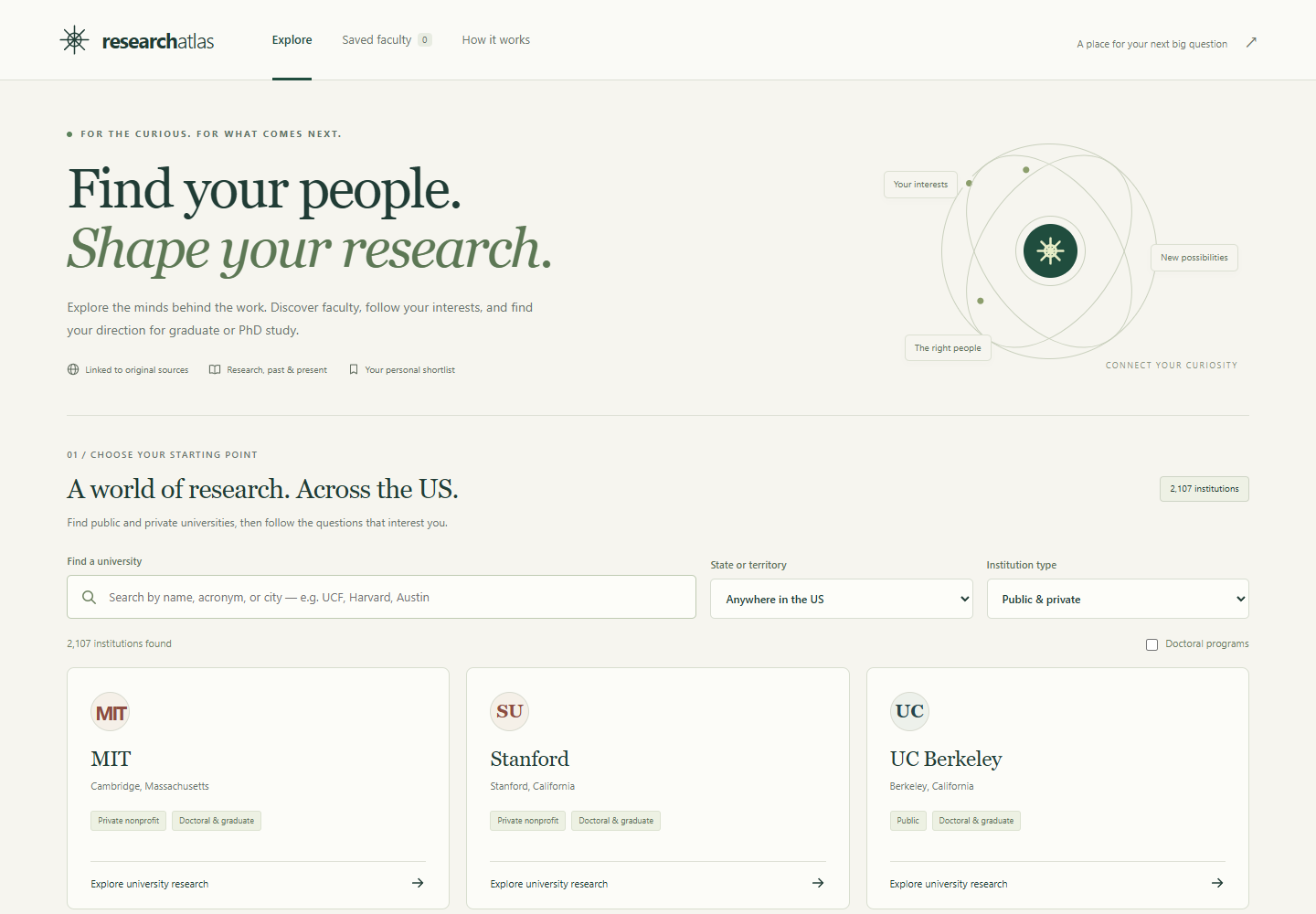
A starting point for graduate and PhD research. Search 2,107 US institutions, combine research interests and keywords, and explore publications and the people behind them.
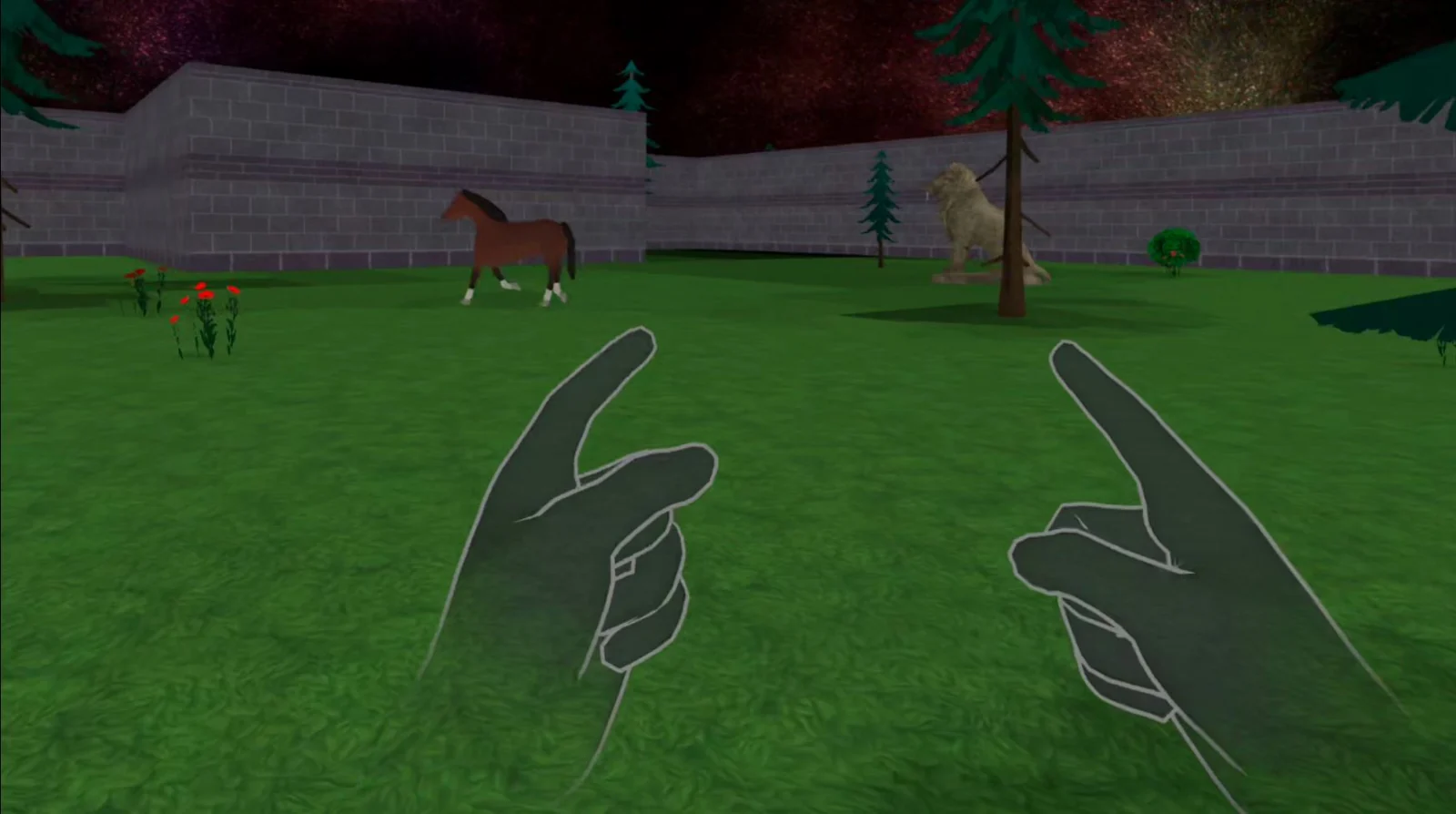
I wanted to find out what happens when you stop waiting to know everything and start building. The answer became an XR world with AI characters that can run on the headset.
An AI agent is more than its model. I built a way to look at the harness, tools, versions, and permissions together, so people can ask better questions before trusting a configuration.
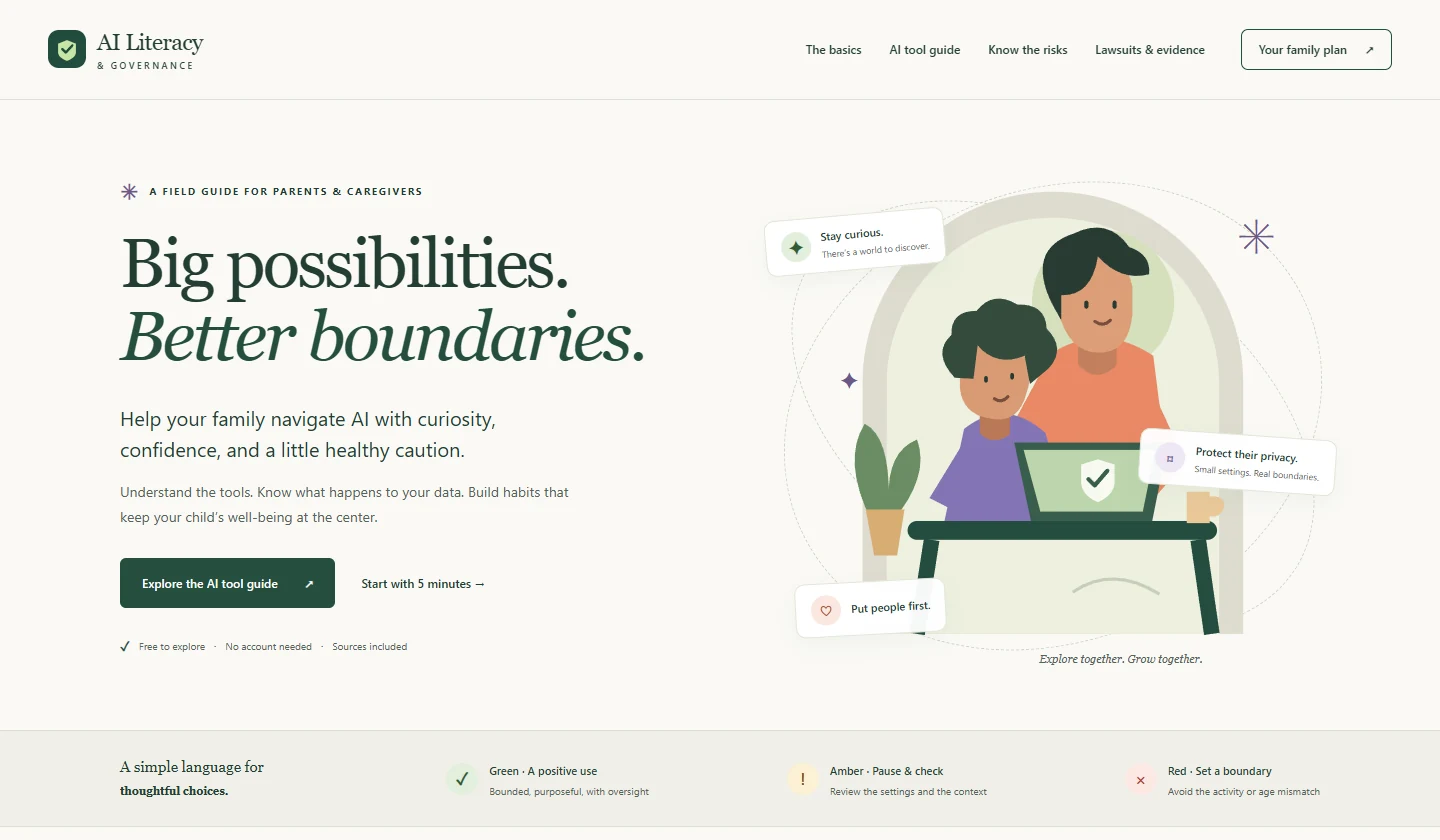
A practical guide for parents navigating AI with their children. Explore useful possibilities, compare everyday tools, understand privacy and documented risks, and turn what you learn into a family plan.
We have all had the “I don’t know, what do you want to do?” conversation. This is my answer: share a room, swipe through ideas, and find something everyone can get behind.
A Christian study of Revelation, creation, and the identity of Jesus. Open a topic, follow a reference, and read the Scripture beside the idea instead of losing your place.
A stranger reaches you through a phone. She is trapped, the lights are out, and your replies matter. A narrative experiment in trust, agency, and the feeling of being needed.
A local workshop for illustrated children’s books: storyboards, characters, illustrations, and an assistant that carries the world of your story along with you.
An experiment in moving between 2D, 3D, AR, and VR, with discovery itself becoming part of the game.
A narrative pitch for an RPG whose deeper layers reward the player who keeps asking questions.
A capture-the-flag survival game made as a hands-on lesson in game design, iteration, and making things for yourself.
The small browser-game experiment that changed how I thought about AI: use it to get something working, then bring human design and testing to the experience.
Strange worlds, unexpected creatures, and a little nostalgia. A collection of experiments in guiding an idea toward an image.

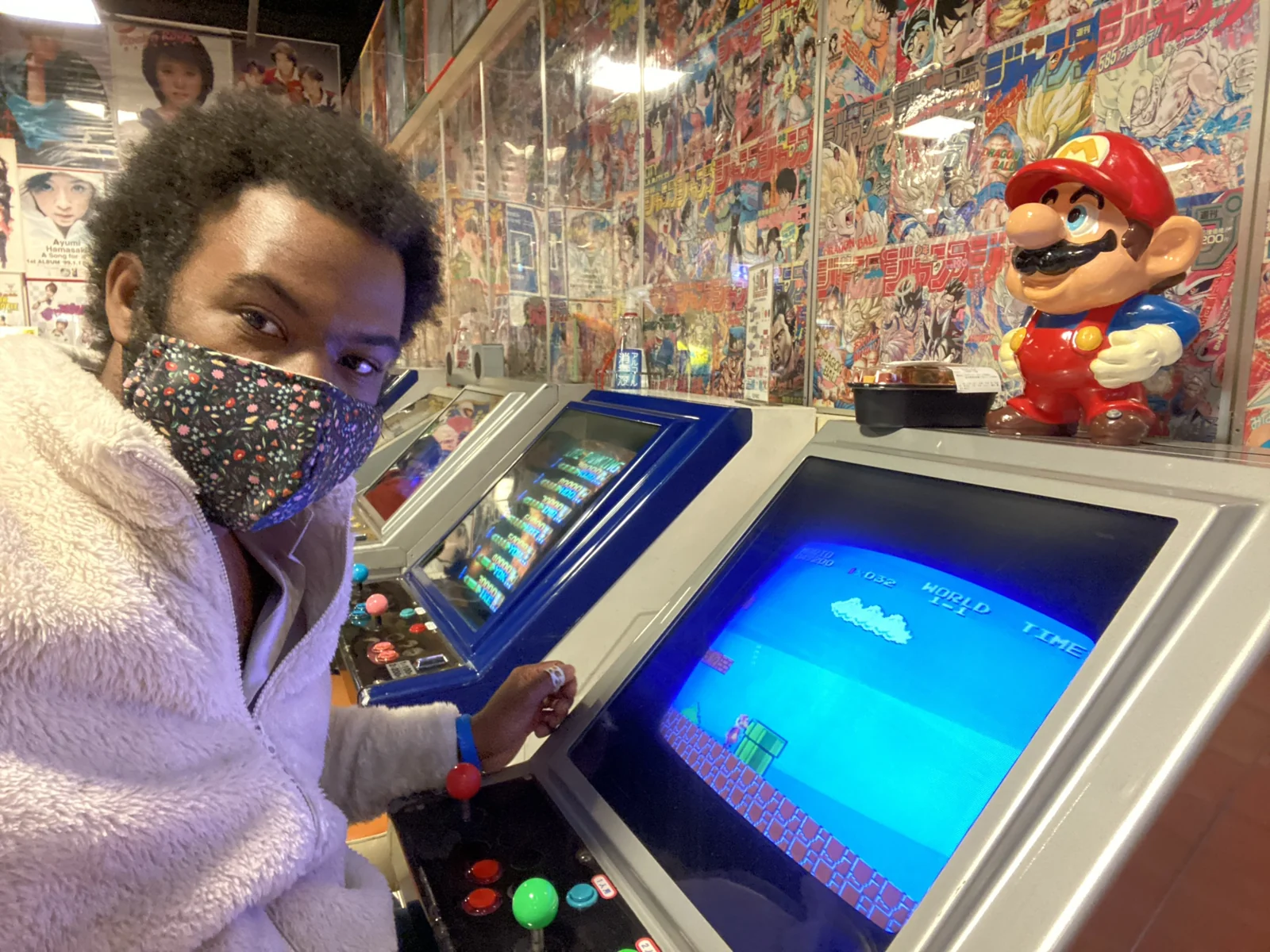 Still a kid at heart.
03 / THE PERSON BEHIND IT
I’m a game designer, a QA person, a student of people, and a Christian. Those parts of my life keep running into each other. I think that’s a good thing.
Games taught me to look for another path. Quality assurance taught me to ask what happens when the system fails. Anthropology made me pay attention to the people inside it. My faith shapes what I believe the work should be for.
AI gave me a way to attempt things I hadn’t yet learned how to build. I still have to learn. I still have to test. But the distance between an idea and a working experiment got a lot smaller.
“Why are you still paying corporations for the use of your own mind?”
A question from my Still-Small XR development story. It keeps pulling me toward local tools, accessible knowledge, and things people can keep.
I’ve spent years asking how things work, where they break, and what would make them better for the person on the other side.
QA taught me to look past what a system claims to do and pay attention to what it actually does. That work included game testing and a VR prototype for VBS IG R&D that was adopted into VBS Blue IG.
Sports technology and robotics brought different environments, but the same questions: where does it fail, why does it fail, and how do we make the next version more reliable?
Teaching digital skills and helping people with their devices keeps the work grounded. A tool only helps if a person can actually use it.
My background in anthropology and graduate study in cybersecurity and public policy connects the technical questions to human ones: who gets access, who has control, and who lives with the consequences?
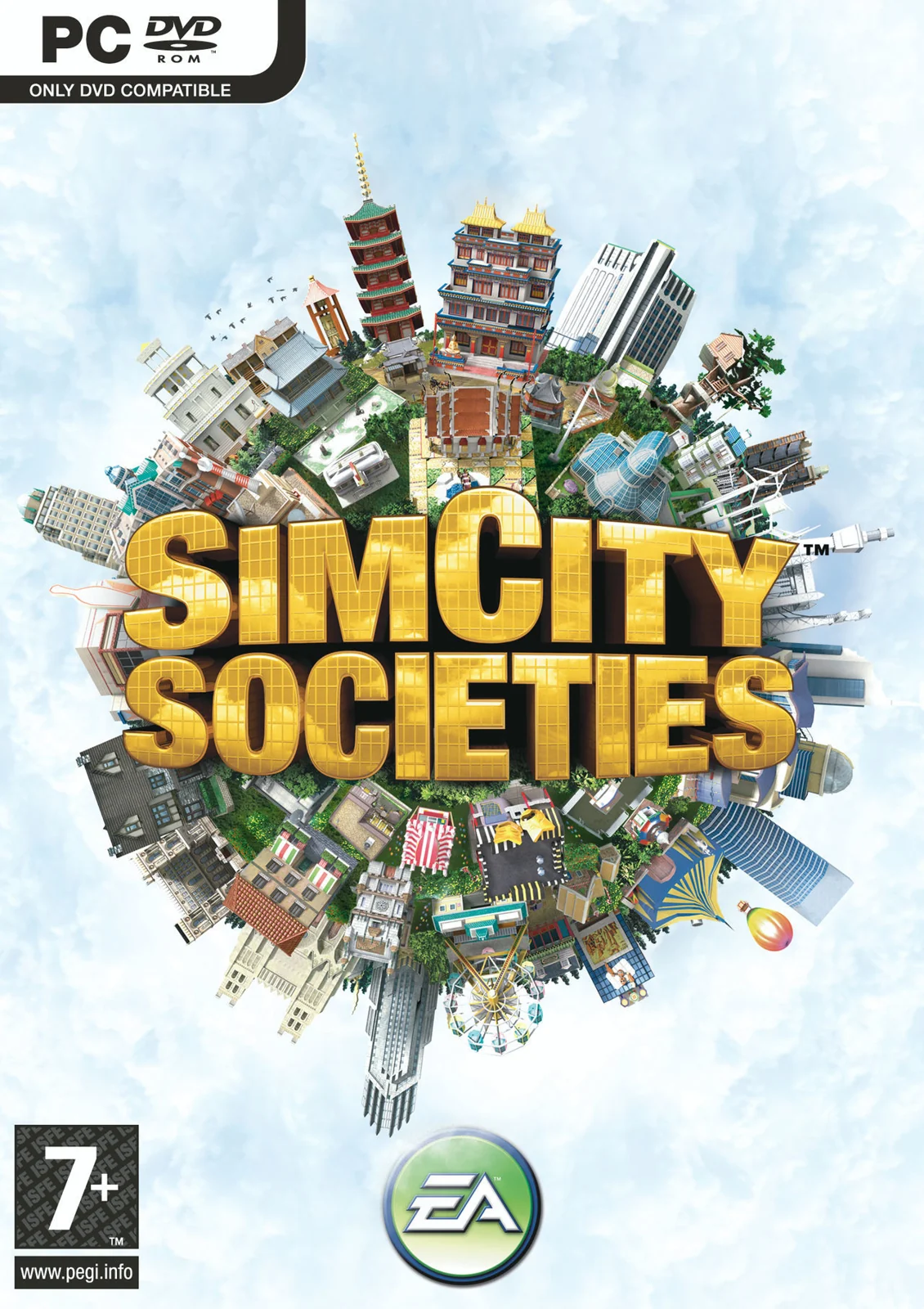
QA contributions featured in my original portfolio. These are team projects, not games I independently created.


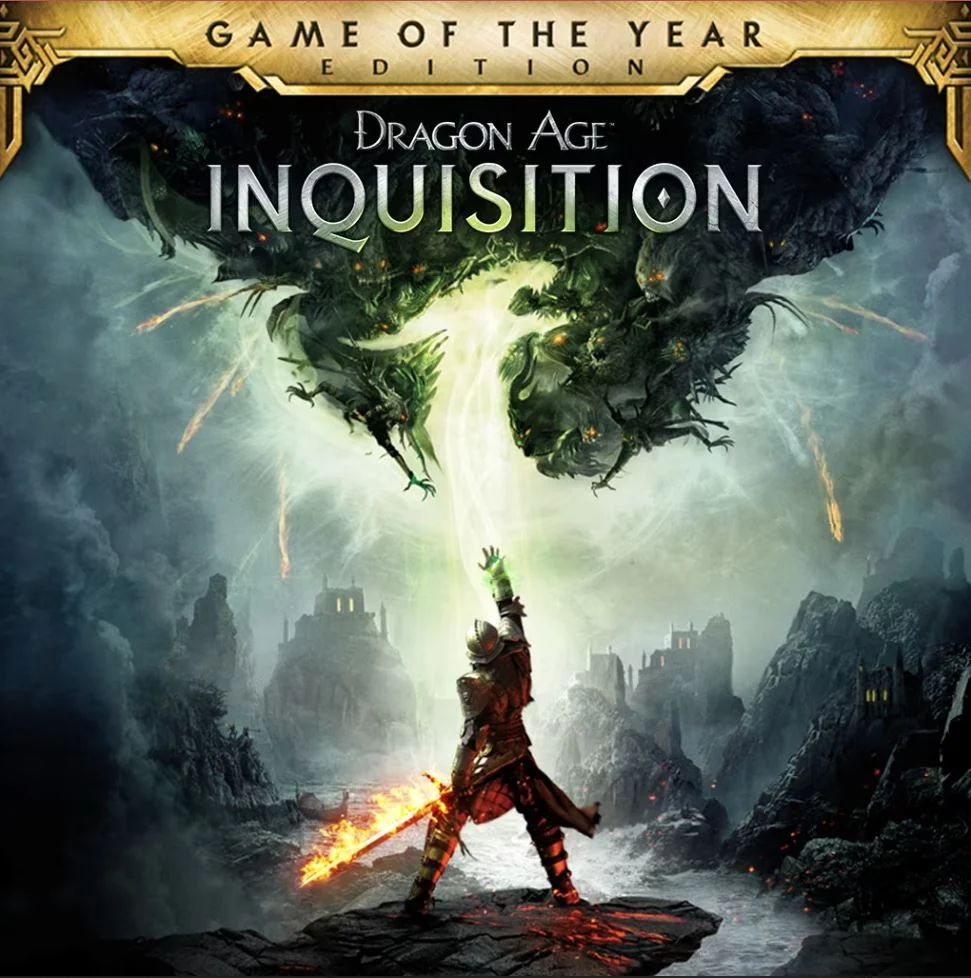

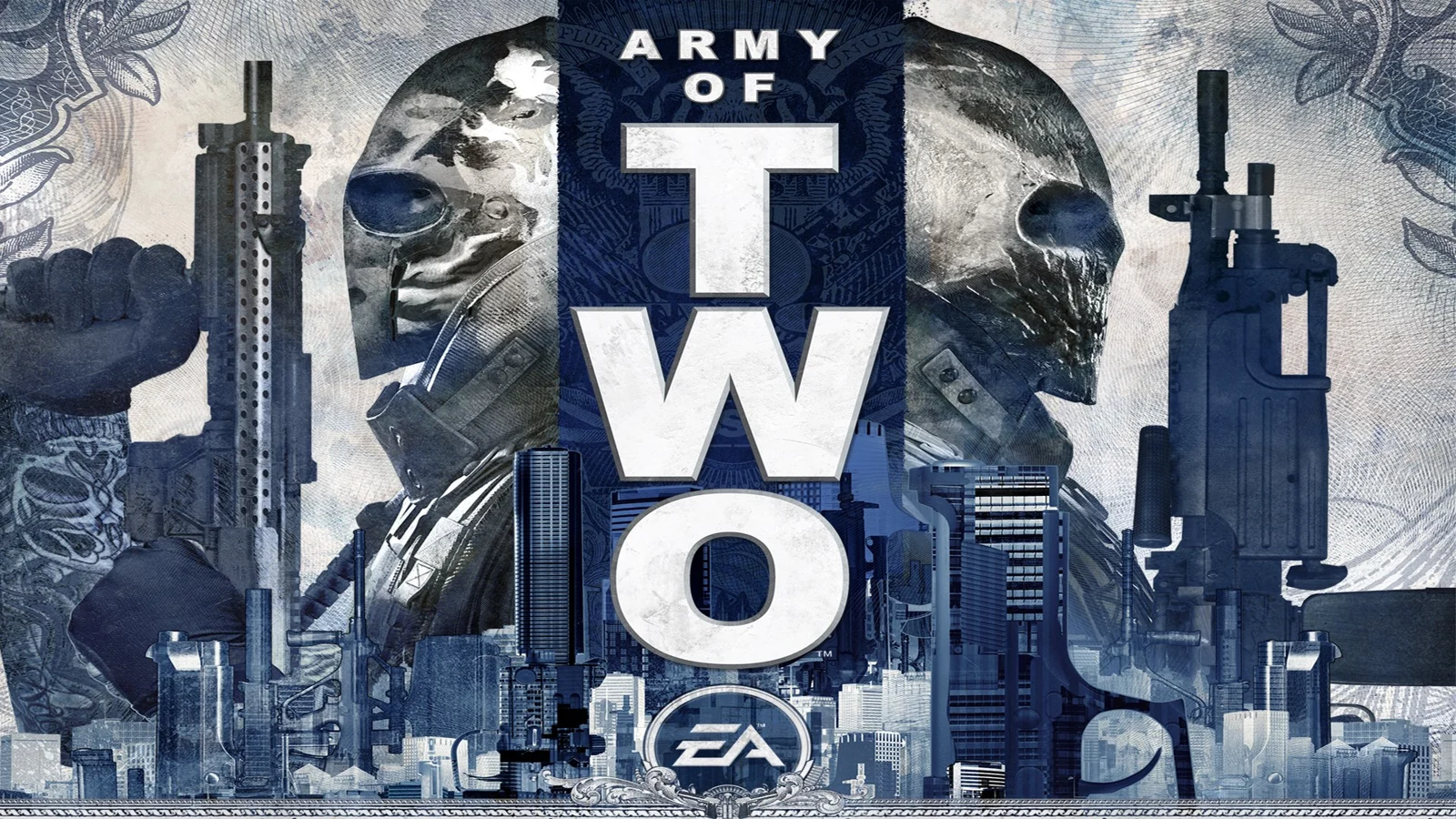


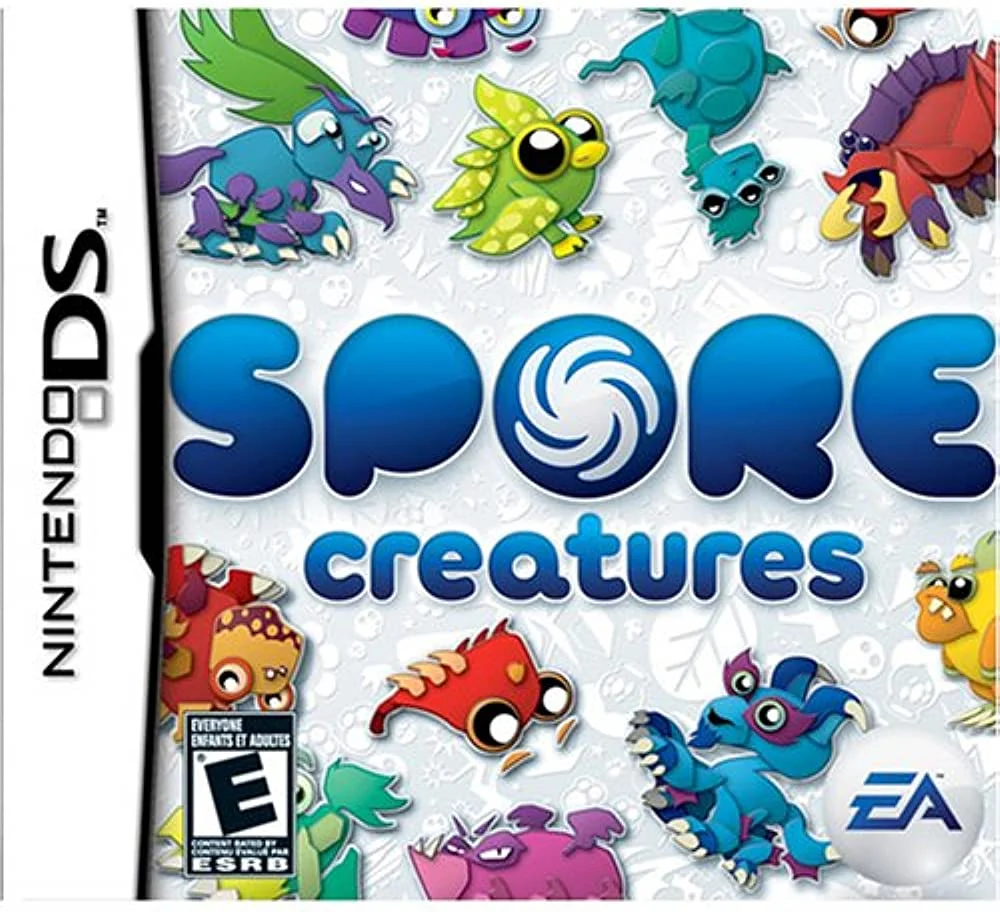
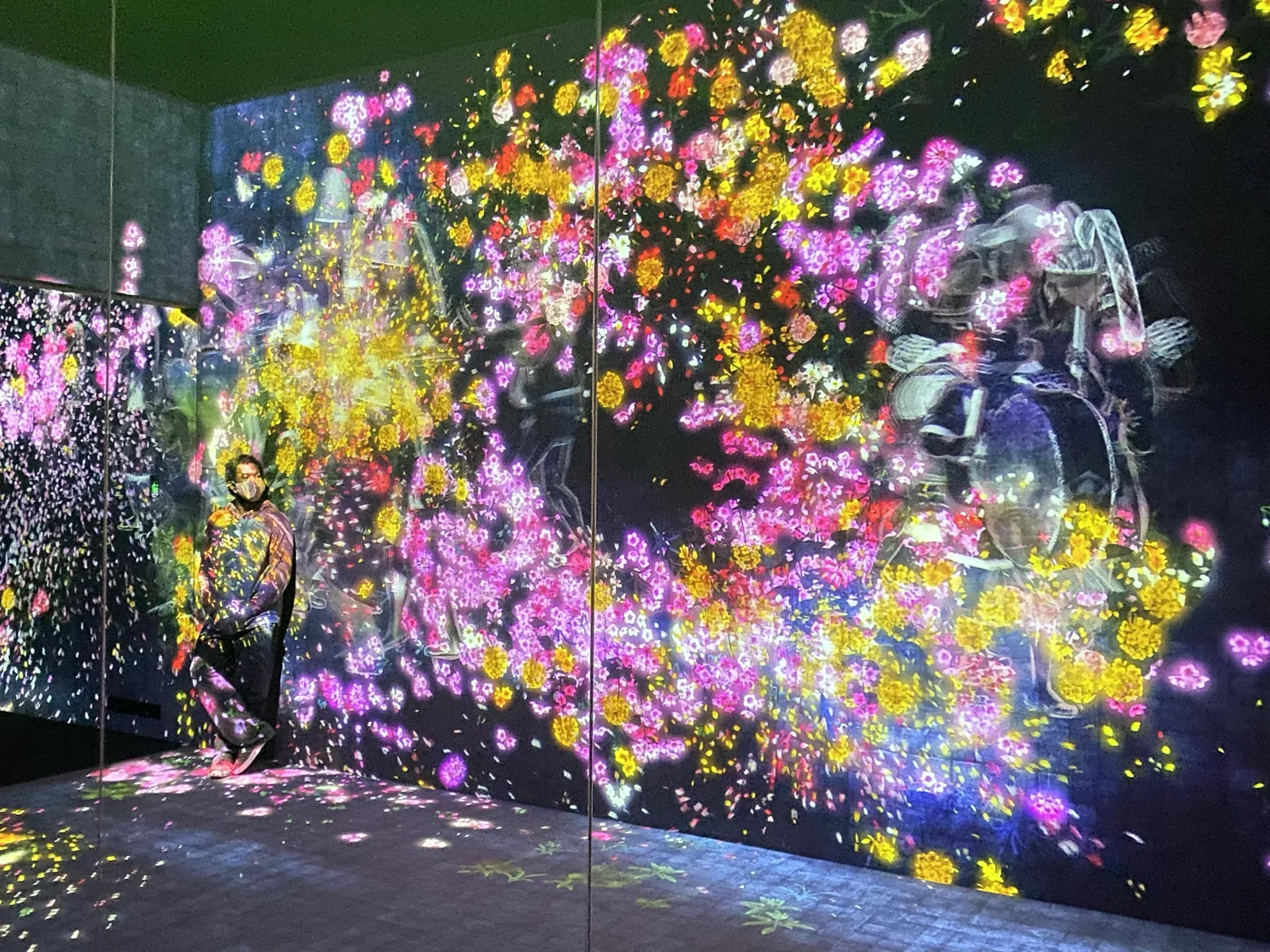
Places that stopped me in my tracks.
And worlds that only existed as an idea.
 Imagined worlds AI ART · EXPLORE THE COLLECTION ↗


06 / THE NEXT CONVERSATION
Games, useful tools, faith, or a possibility you can’t quite leave alone. I’d like to hear what you’re thinking.
hgonzalezucf@gmail.com